Krepšelyje prekių nėra.
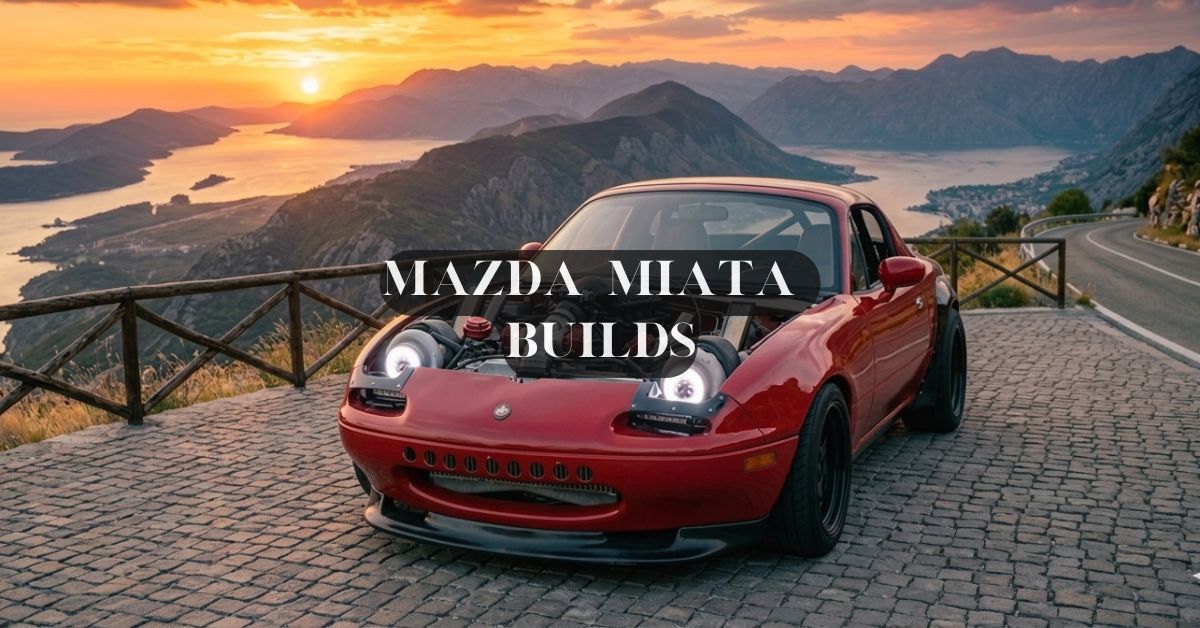
Mazda Miata Builds in 2026: Real Power Comes from a Stiff Chassis
Mazda Miata builds in 2026 are no longer just about horsepower. The smart builders know this: if the chassis flexes, everything else suffers. Power feels sloppy. Steering gets vague. Even good suspension can’t do its job.
That’s why serious NA and NB builds now start with rigidity. Frame rail reinforcements. Shock tower braces. Subframe upgrades. Old-school wisdom still wins here—tighten the structure first, then add power.
This guide breaks down five proven Miata builds and the exact bracing setups that actually work in the real world.
Street Precision Build – Tight, Clean, Daily Ready
This build is for drivers who want a sharp daily. No compromises on feel, but still usable every day.
Start simple. Stock power or mild bolt-ons. Then focus on stiffness.
Kas geriausiai veikia:
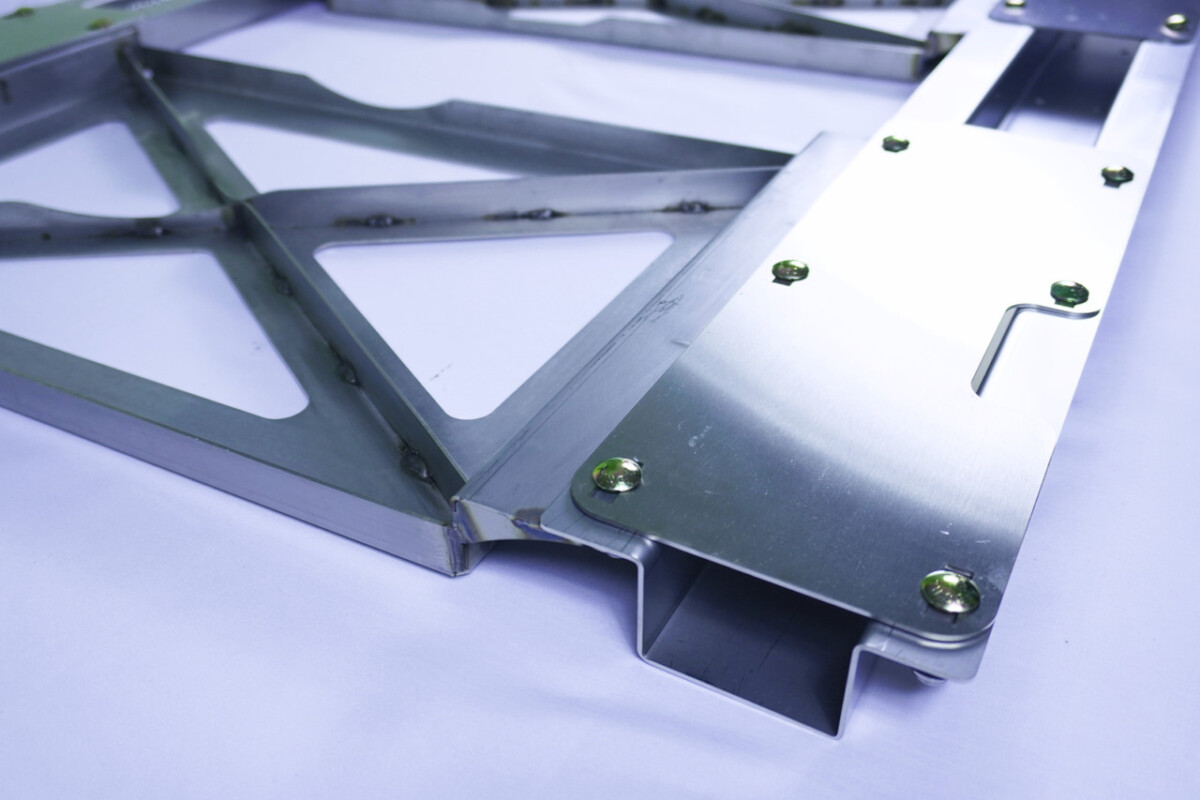
- Full-length frame rail reinforcements (not short plates)
- Front shock tower brace (solid, one-piece design)
- Rear shock brace if you run harder suspension
Frame rails transform the car. The NA/NB chassis is known to flex under load. Once you stiffen the center section, steering becomes direct. You feel the road better. The car reacts instantly.
A cheap brace won’t cut it. Go for thick steel rails welded or bolted properly. This isn’t the place to save money.

Track Weapon Build – Where Flex Gets Exposed Fast
Track driving reveals everything. Weak points show up within a few laps.
That’s where proper Mazda Miata builds separate amateurs from experienced builders.
Must-have bracing setup:
- Full frame rail kit (mandatory)
- Front + rear shock tower braces
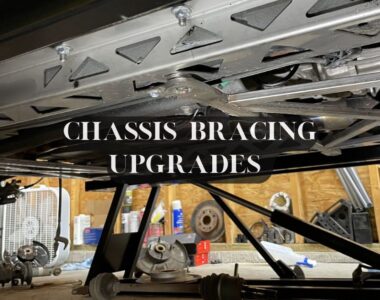
- Butterfly brace or underbody X-brace
- Reinforced subframe mounts
At high cornering loads, the shock towers move. Even a few millimeters kills consistency. A solid brace ties both sides together. That keeps alignment stable.
Frame rails do the heavy lifting. Meanwhile, the butterfly brace locks the middle of the car. Together, they create a planted feel.
Real-world example: drivers often report shaving seconds off lap times after stiffening the chassis—without adding power.
Turbo Street Build – Power Without Control Is Useless
Adding boost to a stock NA/NB chassis is a mistake if you skip bracing.
More torque = more twist. Simple as that.
Teisingas požiūris:
- Reinforced frame rails first
- Differential brace upgrade
- Shock tower braces (front mandatory, rear recommended)
- Door bushings for tighter fit
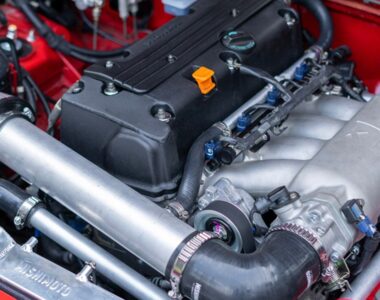
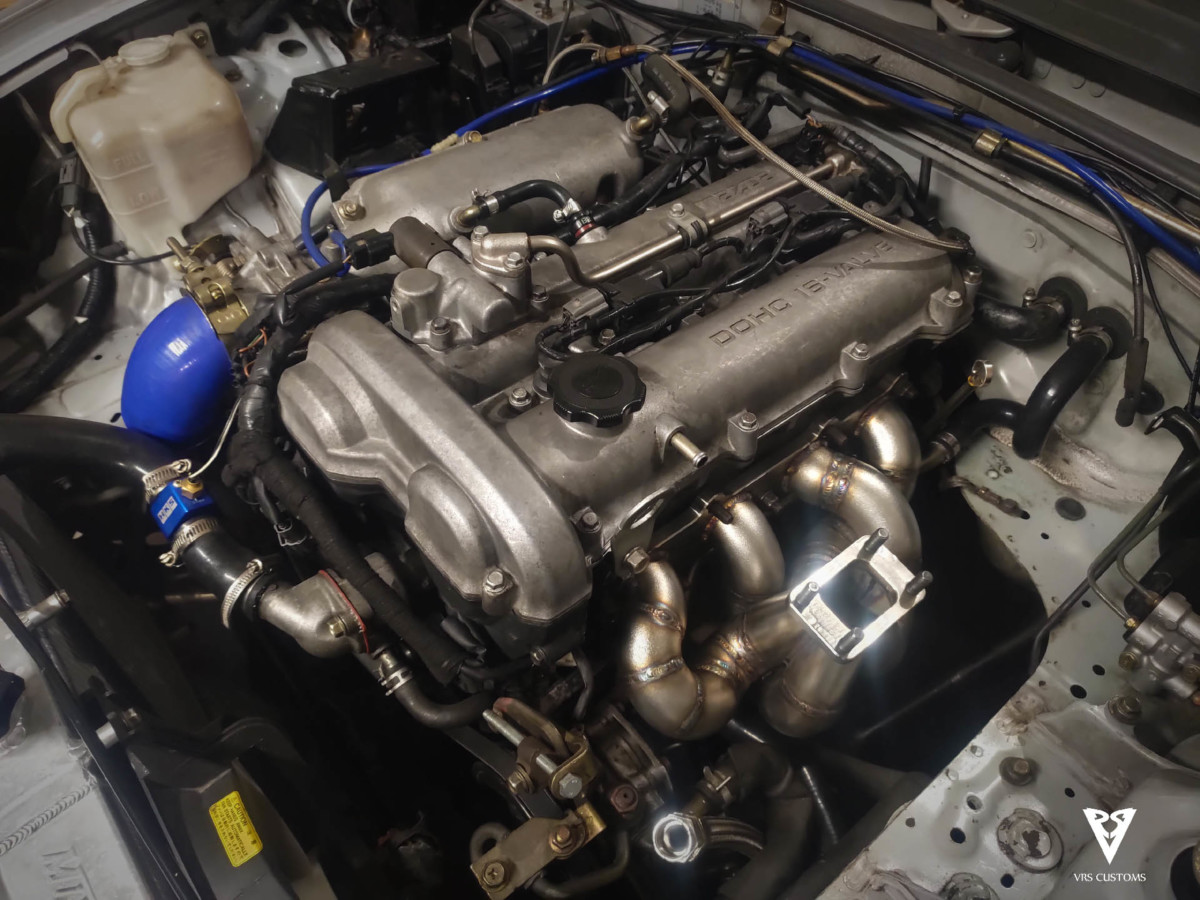
Turbo Miata builds feel wild. That’s fun. However, without rigidity, the car feels unstable under acceleration. A proper turbo manifold is the key for power
Frame rails keep the chassis from twisting. The diff brace prevents drivetrain movement. Together, they keep power usable.
Old-school builders always say: “Make it strong before you make it fast.” Still true.
Budget Build – Smart Upgrades That Actually Matter
Not everyone has unlimited funds. Still, you can build a solid car if you spend smart.
Forget flashy mods. Focus on structure.
Best budget stiffness combo:
- Bolt-on frame rail reinforcements
- Basic front strut tower bar
- Poly bushings (select areas only)
Even entry-level frame rails make a difference. The car feels tighter instantly.
Shock tower braces at this level don’t need to be fancy. Just avoid cheap multi-piece designs. One solid bar is enough.
Many beginners waste money on coilovers first. That’s backwards. Without stiffness, you won’t feel the suspension upgrade properly.
Restomod Build – Old Soul, Modern Feel
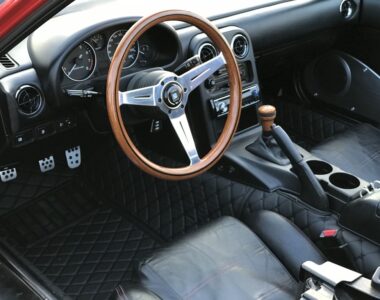
This is where tradition meets refinement. Clean NA/NB. OEM+ look. Modern driving feel.
Idealus įrengimas:
- Weld-in frame rails for maximum rigidity
- Hidden or low-profile shock tower braces
- Seam welding (optional but powerful)
Restomod builds aim for balance. You want the car to feel solid but not harsh.
Welded rails are the gold standard. They become part of the chassis. No movement. No compromise.
Add subtle braces that don’t ruin the engine bay look. Keep it clean.
Result? A Miata that feels like it was built yesterday—not 30 years ago.
Why Frame Rails Matter More Than You Think
Most people underestimate this.
The NA/NB chassis was designed to be light and affordable. Not ultra stiff.
Over time, metal fatigues. Flex increases.
Frame rail reinforcements fix that core issue. They:
- Reduce torsional flex
- Improve suspension response
- Increase steering precision
- Extend chassis lifespan
Shock tower braces come next. They support suspension geometry under load.
Together, they create a stable platform. Everything else builds on top of that.
Conclusion – Build It Right or Build It Twice
Mazda Miata builds in 2026 follow a clear rule: structure first, power second.
Skip bracing, and you’ll chase problems forever. Add it early, and every upgrade works better.
Frame rails are not optional anymore. They’re the foundation. Shock tower braces complete the setup.
Stick to proven methods. Don’t chase trends. The old ways still deliver the best results.
FAQ – Mazda Miata Builds and Chassis Bracing
Do frame rails really make a big difference?
Yes. It’s one of the most noticeable upgrades. The car feels tighter immediately.
Are shock tower braces worth it?
They are, especially for track or aggressive driving. They keep suspension geometry stable.
Should I weld or bolt frame rails?
Bolt-on works well for most builds. Weld-in is better for maximum performance.
Can I install braces without other mods?
Absolutely. In fact, you should start there before adding power or suspension upgrades.
What’s the best order of upgrades?
Frame rails → shock braces → suspension → power. Always build from the base up.