No products in the cart.
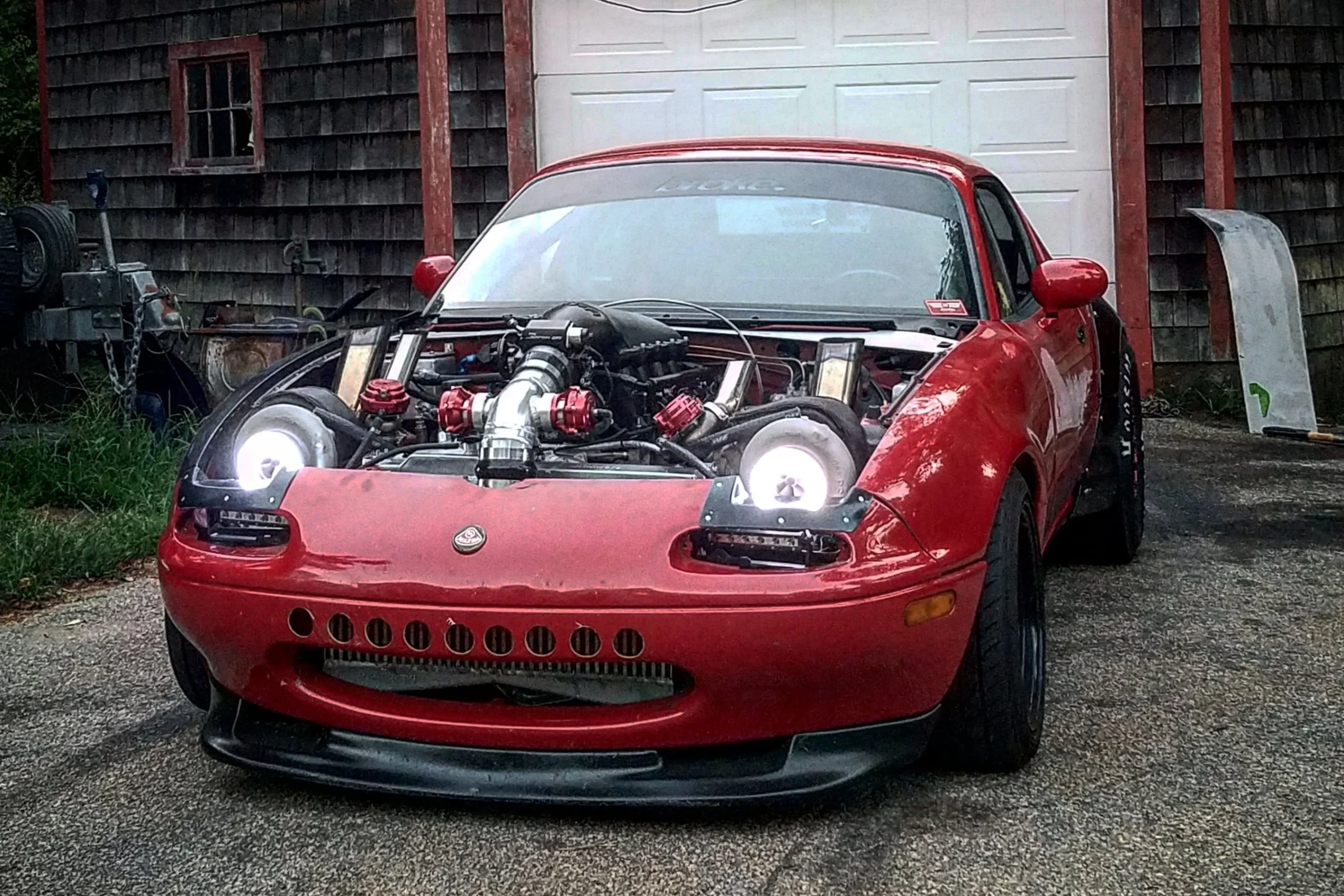
2026 Miata Owner Q&A: First Modifications That Don’t Ruin Comfort
The 2026 Miata owner Q&A on “first modifications” that don’t ruin comfort keeps coming up in every community thread, forum, and build discussion right now, and for good reason. Spring rates of 6k front and 3k rear are widely cited as the “no-regrets” ceiling for street-driven Miatas before ride harshness becomes a real problem on public roads, which tells you exactly how easy it is to overcook your first build and end up with an MX-5 you dread driving to work. This guide answers the questions we hear most, cuts through the noise, and gives you a clear, generation-specific path for upgrading your Mazda Miata without sacrificing the roadster feel that made you buy one in the first place.
Key Takeaways
| Question | Short Answer |
|---|---|
| What is the best first mod for a Miata MX-5 that won’t ruin comfort? | Delrin door bushings or adjustable sway bar endlinks. Instant feedback gain, zero ride quality loss. |
| Should I start with coilovers or lowering springs as my first mod? | Lowering springs for daily drivers. Coilovers only if you plan to tune damping actively. |
| Which Miata generations benefit most from comfort-safe first mods? | All four. NA, NB, NC, and ND each have a clear entry point that improves driving feel without penalty. |
| What Miata mods should I avoid if I daily drive? | Stiff track-spec springs, solid differential mounts, and maximum drop coilover settings on stock alignment. |
| Can aftermarket Miata parts improve comfort as well as performance? | Yes. Upgraded bushings and corrected sway bar geometry often make the car feel more planted, not harsher. |
| Where can I find curated parts for each Miata generation? | TopMiata offers generation-specific catalogs for NA, NB, NC, and ND builds. |
| How much should I spend on my first Miata upgrade? | The highest-value comfort-safe mods start under €100. You don’t need a big budget to feel the difference immediately. |

What Makes a “Comfort-Safe” First Modification on a Mazda Miata?
Not every Miata upgrade trades comfort for performance. The best first mods work with the factory suspension geometry rather than fighting it.
A comfort-safe modification does one of two things. It either eliminates slop and wear from aged rubber components, or it sharpens the mechanical relationship between driver input and car response without increasing spring rate or harshness.
The Mazda MX-5 was engineered with a double-wishbone front and multi-link rear layout tuned for balance. Your first modifications should respect that foundation. Anything that corrects geometry, replaces worn parts, or tightens worn interfaces qualifies. Anything that stiffens the chassis faster than your tire contact patch can manage does not.
In 2026, the aftermarket parts landscape for the Miata is more mature than ever. There is no shortage of options. The challenge is selecting what belongs in your first round of upgrades without overbuilding for your actual use case.
2026 Miata Owner Q&A: First Modifications for NA (1989-1997) Owners
The NA Miata is now over 30 years old. Its rubber bushings, door checks, and suspension geometry components have aged considerably, even on well-maintained cars.
Your first modifications on an NA should focus on restoration of factory intent before any performance upgrades. Worn rubber is the single biggest reason an older NA feels vague, floaty, or unpredictable compared to how it drove originally.
The Delrin Door Bushings for MX-5 NA, NB, NC and ND are a genuine first-mod candidate for any generation. At €35.00 for a set of two, they replace worn factory rubber with solid Delrin that eliminates door sag, reduces cabin flex, and sharpen the steering feedback loop, all without touching spring rate or damping.
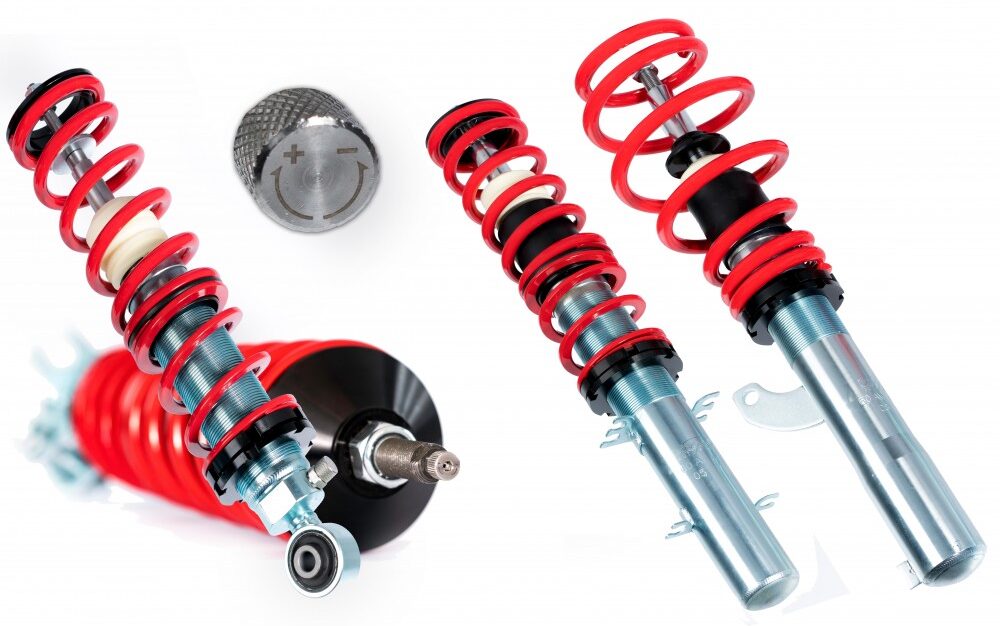
For NA owners considering suspension, the V-MAXX XXTREME Coilovers for NA 1.6 and 1.8 (€576.00-€704.00) offer adjustable damping. Set them soft. You gain ride height control and properly functioning dampers without committing to a track setup.
Browse the full NA Miata parts and accessories catalog for a curated view of what the community builds first on the original roadster.
For a ranked breakdown of essential NA upgrades, the top 10 must-have Mazda Miata NA upgrades gives you a clear priority sequence from suspension through brakes.
First Modifications for NB Miata Owners That Preserve Daily Comfort
The NB (1998-2005) addressed some NA flexiness through chassis refinements, but it introduced its own set of wear points after 20-plus years.
NB sway bar endlinks are a high-impact, low-cost first mod. Stock endlinks use rubber bushings that degrade and introduce slop, which blurs the chassis’s otherwise crisp responses. The R Theory Motorsports Adjustable Sway Bar Endlinks for NA/NB at €69.60 correct this without adding any harshness to the ride.

Adjustable endlinks let you set proper geometry after any ride height change. That matters most for NB owners who are already running slightly lowered springs from a previous owner.
The NB also responds well to a fresh radiator support panel, which tightens up the nose and improves cooling stability. The DCN Performance Radiator Panel for NA (€45.00) is a direct reference for the fitment logic that applies across early generations.
Start your NB build with the full NB parts and accessories catalog for generation-specific options sorted by category.
2026 Miata Owner Q&A: First Modifications for NC (2006-2015) Owners
The NC MX-5 is the heaviest and most GT-oriented generation. It has more mass to manage, and first mods here benefit from a slightly different priority order than the earlier cars.
Door bushing replacement still applies universally. The NC’s heavier doors accelerate bushing wear faster than the NA or NB, and the slop that results muddies feedback noticeably.
For NC suspension, the priority is correcting factory geometry that works well when new but softens with age. A set of fresh shock absorbers tuned for street use will transform the NC’s handling character without any spring rate increase.
The NC also responds well to visual and ergonomic upgrades as early mods. Lighting, interior trim, and aesthetic parts improve the daily experience without touching the chassis at all. These are genuinely valid “first modifications” for owners who want to start building identity before committing to suspension work.
Browse all curated NC Miata MX-5 parts and accessories for a complete view of available upgrades sorted by category.
ND Miata First Modifications That Keep Comfort Intact in 2026
The ND (2015-present) is the most refined Miata ever built from the factory. Its suspension is already well-calibrated, which means poor first modification choices here are felt more immediately than on older cars with age-softened components.
Wheel weight is the most underrated first upgrade on the ND. Dropping rotating unsprung mass sharpens steering feel, improves braking response, and reduces the physical work the suspension must do, all without changing spring rate or damping. A 15×9 flow-formed wheel can weigh under 13 lbs compared to the 17-18 lbs of many factory 17-inch options, which means over 5 lbs shed per corner.
For ND owners who want a suspension starting point, lowering springs in the 20% stiffness increase range over stock offer measurable improvement in body control with very little comfort penalty. That 20% zone keeps the ND in daily-driver territory while tightening up turn-in response and reducing dive under braking.
Explore the full ND Miata parts catalog for precision-fit suspension, lighting, and interior upgrades built specifically for the fourth-generation roadster.
Did You Know?
Progress Technology lowering springs increase ND Miata spring rates by only 20% (185 lb front / 115 lb rear) over stock, maintaining near-factory ride quality for daily-driven builds.
Source: Good-Win Racing
Coilovers vs. Lowering Springs as a First Miata Mod: Which Keeps Comfort?
This is the most asked question in the 2026 Miata owner Q&A community on first modifications. The answer depends entirely on how you use the car.
Lowering springs are the correct first-mod choice for most daily-driven Miata owners. They drop the car moderately, tighten up body roll, and work with your existing shock absorbers. The 20% spring rate increase that well-engineered options deliver keeps the ride compliant on imperfect roads.
Coilovers are the right call when you want to dial in both ride height and damping precisely, especially if you track the car occasionally. The V-MAXX XXTREME coilovers for the NA run €576.00-€704.00 and include adjustable damping. Set conservatively, they match or exceed the ride quality of worn factory components while giving you room to tighten up for track days.

The mistake most first-time Miata mod builders make is maxing out drop on coilovers before getting a proper alignment. Suspension geometry at maximum drop with no alignment correction creates bump steer, toe changes, and harshness that gets blamed on the coilovers when the real issue is setup.
For a full breakdown of where your budget goes furthest, the 2026 Miata Modification Economics Map maps cost against real-world performance gain across every major modification category.
Suspension Parts That Sharpen Miata Feel Without Adding Harshness
Beyond coilovers and springs, several aftermarket parts improve the MX-5’s chassis response without increasing spring rate at all.
- Adjustable sway bar endlinks: Eliminate endlink slop, restore correct sway bar geometry, and make the factory anti-roll bar work as designed. Roughly €70 for an NA/NB set. No ride quality trade-off.
- Delrin door bushings: Replace degraded rubber at door hinge pivot points. Improves structural rigidity feedback and eliminates the soft “flex” sensation over rough surfaces. Universal fit across NA, NB, NC, and ND.
- Anti-bumpsteer spacers: Correct tie rod geometry on lowered cars. Prevents the wandering sensation that misled many owners into thinking their suspension upgrade was too stiff.

All three of these mods share a common characteristic. They restore or correct mechanical precision without increasing the spring rate or damping force the driver feels through the seat. That is the definition of an OEM-plus first modification.
Did You Know?
A standard 15×9 flow-formed wheel like the Konig Dial-In weighs just 12.7 lbs, compared to ~18 lbs for many factory 17-inch options, shedding over 5 lbs per corner for sharper steering feel with no added harshness.
Source: Good-Win Racing
Weight Reduction as a First Miata Modification
Weight reduction is one of the purest first mods available, and it is entirely comfort-neutral. You cannot feel added harshness from a lighter trunk lid.
The Ultra-Lightweight Dry Carbon Fiber Trunk for NA (€487.00) uses 3K dry carbon with a 1×1 weave. It reduces rear mass meaningfully, which shifts the car’s polar moment balance toward the center and improves transient response.

For owners on a tighter budget, wheel weight reduction delivers the same principle at a lower entry point. Lighter wheels reduce unsprung rotational mass. The suspension does less work per bump cycle, which translates directly into a ride that feels more compliant even with the same spring rate.
This is exactly the OEM-plus mindset applied correctly. You are not changing the Miata MX-5’s character. You are refining the factory performance envelope from the outside in.
Miata Upgrades for Visual and Interior Comfort That Don’t Touch the Chassis
Not every first modification has to be mechanical. Interior refinements improve daily driver satisfaction without any suspension or chassis implication.
Lighting upgrades are a strong first choice for any generation. Sequential LED tail lights on the NA, NB, NC, or ND improve rear visibility, clarify braking signals to following traffic, and give the car a precision-fit modern identity that factory lighting doesn’t provide. These are comfort and safety upgrades simultaneously.
Interior trim, door cards, and shifter components directly impact how connected you feel to the car on every drive. A Duralumin shifter extender, for example, shortens throw distance and changes the mechanical relationship between driver and gearbox without changing anything external.
These are legitimate first modifications for owners who want to build identity and refine daily comfort before committing to a suspension direction.
What First Modifications to Avoid If You Value Miata MX-5 Comfort
The 2026 Miata owner Q&A on first modifications that don’t ruin comfort has a flip side. Several common “starter” mods reliably destroy daily usability and should wait until you have a clear track-day build direction.
- Maximum drop coilovers without alignment: Drops the car into bumpsteer territory. Feels harsh and imprecise, not because the coilovers are bad but because the geometry is wrong.
- Stiff sway bars without matching spring rates: Over-rotating the chassis in a direction the springs can’t control creates an unbalanced ride that feels constantly agitated.
- Track-spec spring rates on a daily driver: Anything above the 6k/3k ceiling on a street car will transmit every road imperfection directly through the chassis with no filtering. Public roads are not racetracks.
- Solid differential mount inserts without addressing worn driveline components: Adds significant NVH on worn drivetrains. Get the rest of the drivetrain healthy first.
Every one of these mods has a correct application context. That context is usually a dedicated track car, not a street-driven MX-5 that needs to handle a Monday morning commute.
 This infographic highlights 5 comfort-friendly upgrades for the 2026 Miata. It focuses on tweaks that preserve comfort while keeping the driving feel intact.
How to Build a First Modification List by Generation
The 2026 Miata owner Q&A on first modifications that don’t ruin comfort consistently reveals one pattern. Owners who build with a generation-specific plan spend less and get better results than owners who apply generic advice.
Here is the priority sequence we recommend by generation:
NA (1989-1997): Delrin door bushings, sway bar endlinks, fresh dampers on conservative settings. Address age-related wear before any performance upgrades.
NB (1998-2005): Adjustable endlinks, door bushings, radiator support panel. Light suspension refresh before any power upgrades.
NC (2006-2015): Fresh dampers, alignment to factory spec, lighting upgrades. The NC’s factory tune is good. Fix what age has degraded.
ND (2015-present): Lightweight wheels, moderate lowering springs, door bushings. Work with the factory chassis rather than against it.
Every one of these sequences keeps you in comfort territory while building toward a more connected driving experience.
Conclusion
The 2026 Miata owner Q&A on “first modifications” that don’t ruin comfort leads to the same answer across every generation. Start with geometry correction, eliminate worn rubber, and respect the spring rate ceiling that keeps your MX-5 a roadster rather than a track car with license plates.
The Mazda Miata earns its reputation as the best-handling lightweight roadster in the world because of balance, not power. Your first modifications should protect that balance and make it more precise, not override it with stiffness the road doesn’t require.
We have been building Miata parts lists and community knowledge since 2012, and the OEM-plus philosophy holds every time. Precision upgrades that preserve the roadster’s core identity are always the right first move. Browse the curated aftermarket parts catalog for your generation, build with intention, and fuel your passion for the ride that started it all.
Frequently Asked Questions
What is the best first modification for a Mazda Miata that won’t ruin comfort in 2026?
Delrin door bushings are the highest-value, zero-comfort-penalty first mod available for any MX-5 generation. They eliminate wear-induced flex, sharpen steering feedback, and cost under €40. Adjustable sway bar endlinks are a close second for NA and NB owners specifically.
Will coilovers ruin the ride quality on my daily-driven Miata MX-5?
Not necessarily. Coilovers set to a conservative damping level with moderate drop and a proper alignment can match or improve on worn factory shock comfort. The problem arises when owners max out drop settings without correcting alignment geometry, which creates harshness that gets blamed on the coilovers themselves.
Are lowering springs or coilovers better as a first mod for an ND Miata?
Lowering springs are the better first mod for a daily-driven ND. A moderate spring rate increase of around 20% over stock provides improved body control and sharper turn-in without crossing into track-car harshness territory. Coilovers become the right choice once you have a clear track day or alignment-tuning need.
What Miata aftermarket parts improve comfort rather than harshness?
Door bushings, sway bar endlinks, anti-bumpsteer spacers, and lightweight wheels all improve driving feel without increasing spring rate or NVH. These parts correct geometry, eliminate slop, or reduce unsprung mass rather than stiffening the chassis.
Is it worth modding an NA Miata for comfort in 2026?
Yes. An NA Miata with fresh Delrin bushings, properly functioning dampers set conservatively, and corrected sway bar geometry feels sharper and more planted than a neglected car, not harsher. The NA’s chassis is inherently well-balanced. Restoring factory precision is the highest-ROI first modification you can make.
What spring rate is too stiff for a street-driven Mazda MX-5?
The widely accepted “no-regrets” ceiling for street-driven Miata builds is 6k front and 3k rear. Beyond that point, public road surfaces transmit harshness through the chassis fast enough to degrade daily comfort. Track-specific builds exceed this range deliberately, but it is not appropriate for street or OEM-plus builds.
Which Miata generation has the most room to improve with comfort-safe first mods?
Older NA and NB Miatas have the most to gain from comfort-safe mods because age-related rubber degradation gives back significant performance when corrected. The ND has the smallest gap between factory and upgraded feel, but lightweight wheel swaps and moderate springs still deliver a meaningful improvement over stock for drivers who spend time on winding roads.