No products in the cart.
Mazda and Toyota Will Reportedly Collaborate on a New Sports Car?
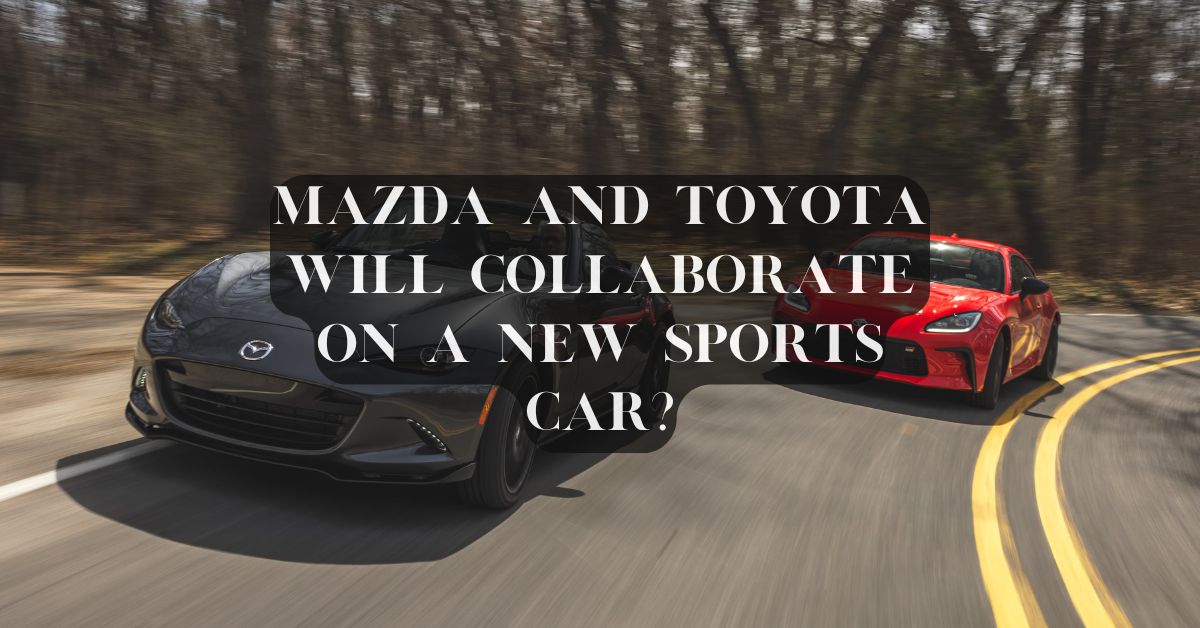
Mazda and Toyota Will Reportedly Collaborate on a New Sports Car, according to a recent report that has the car world buzzing.
That headline lands like a plot twist in a favorite racing movie.
It also stirs big questions about what comes next for affordable sports cars.
This article unpacks the rumor, the logic behind it, and what fans might actually get.
I base this piece on the original Car and Driver report and add analysis, examples, and some real-world context.
Introduction
A new Mazda and Toyota Will Reportedly Collaborate on a New Sports Car feels like good news for driving enthusiasts.
Affordable sports cars are rare these days.
Yet the idea of Mazda craftsmanship paired with Toyota scale is tempting.
It could mean more practical packaging, lower development costs, and a renewed love for lightweight fun.
Car and Driver frames the rumor as coming from Best Car magazine in Japan, so take it as plausible but unconfirmed.
What the rumor actually says
Best Car reportedly claims that Toyota and Mazda will co-develop the next-generation GR86 and MX-5.
That suggests more than badge engineering.
It hints at shared platforms, parts, and possibly a 2+2 layout for Mazda.
How history sketches the playbook
Think back to Toyota and Subaru’s BRZ/GR86 partnership.
That joint project turned out well for fans and kept costs reasonable.
It proves that two brands can share development yet keep distinct driving personalities.
Mazda’s pedigree with lightness and steering feel would complement Toyota’s engineering scale.
Car and Driver points to that precedent when imagining how a Mazda–Toyota sports car could be structured.
The engineering story: what could they share?
Mazda could bring chassis tuning and a focus on driver feel.
Toyota could add manufacturing scale, engines, or hybrid know-how.
In fact, Toyota already shares hybrid tech with Mazda on the CX-50.
That existing tech-sharing suggests both firms know how to collaborate without losing identity.
So, expect shared components rather than identical cars.
A 2+2 Mazda—realistic or wishful thinking?
Many Miata fans have longed for a slightly larger MX-5 with rear seats for kids.
Mazda tried similar thinking with the RX-8 and the NC MX-5 in the past.
A 2+2 that keeps Mazda’s driver-first DNA would open the car to more families.
At the same time, niche sports cars rarely deliver big profits.
Thus, any 2+2 project needs careful cost control and smart platform sharing.
Market realities and business sense
Sports cars rarely sell in huge volumes.
Therefore, shared R&D is critical for business viability.
Toyota’s manufacturing clout can lower per-car costs.
Mazda gets access to that scale while preserving the soul of its cars.
That combination could keep an enthusiast-friendly price point alive.
Storytelling moment: imagine a Saturday drive
Picture a quiet Saturday morning.
You take a coastal road in a compact coupe.
The car is light and responsive, but it also carries a small weekend bag in a rear nook.
That balance between fun and small practicality is exactly what many buyers would appreciate.
If Mazda and Toyota deliver that feeling, the collaboration will have paid off.
Design and brand identity: keeping two voices
Mazda is the storyteller with “Jinba-ittai” driving philosophy.
Toyota is the pragmatic engineer who scales great ideas.
A successful collaboration should let each brand speak with its own design language.
Mazda must keep its steering feel.
Toyota should keep its willingness to engineer for reliability.
Risks and caveats
Rumors are rumors.
Best Car has been the origin of optimistic scoops before.
Also, Car and Driver notes Toyota declined to comment on the story.
So, treat the collaboration as plausible, not confirmed.
Finally, the economics of sports cars could limit how ambitious either company gets.
What fans should watch next
Look for official statements from Toyota and Mazda.
Also watch patents, factory announcements, and supplier moves.
These often indicate real projects in early stages.
For MX-5 fans who want aftermarket parts, sites like TopMiata keep a close eye on Miata developments and offer a good internal resource for owners.
Conclusion: a cautious optimism
A Mazda and Toyota Will Reportedly Collaborate on a New Sports Car is exciting news for anyone who loves driving.
Shared engineering could save costs and keep sports cars affordable.
However, the story is a rumor for now.
If the companies follow the BRZ/GR86 playbook and add Mazda’s light-touch tuning, the result could be genuinely special.
FAQ
Q: Is this collaboration officially confirmed?
No.
Toyota declined to comment when asked, and the report traces back to Best Car in Japan.
Watch for formal announcements from Toyota or Mazda for confirmation.
Q: Will the new car replace the MX-5 or GR86?
Not likely.
The rumor suggests next-generation models developed together, not immediate replacements.
Expect both brands to preserve their identity, at least at first.
Q: Could the car be a hybrid?
Maybe.
Toyota already shares hybrid technology with Mazda on the CX-50, so hybrids are within the realm of possibility.
Q: When might we see this car?
No official timeline exists.
If real, development cycles suggest a several-year wait before production.
Q: Where can I read the original report?
Read the Car and Driver summary of the Best Car report for full context.