
No products in the cart.
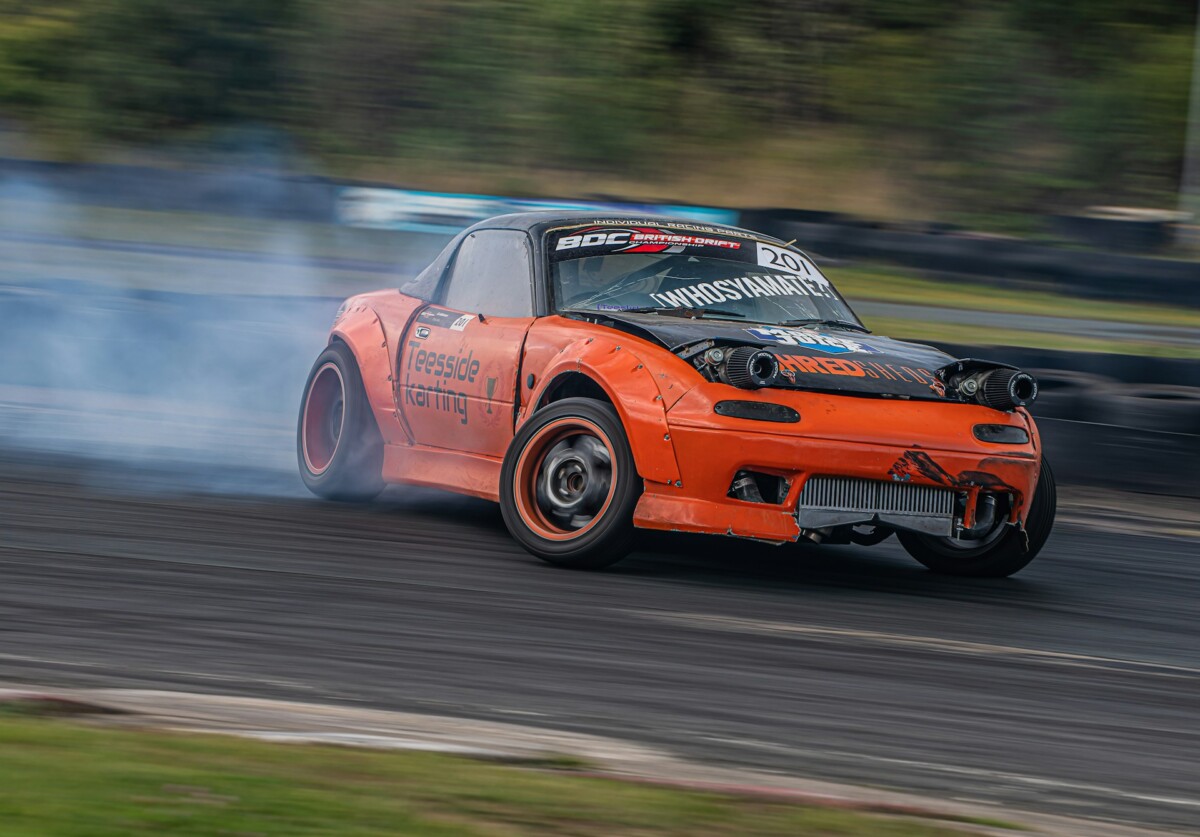
Why a solid Track Day Setup matters
Track Day Setup: Wheels, Tires, Suspension, Brakes is the short list that separates a confident lap from a nervous one. If you treat the car like a tool, then wheels, tires, suspension, and brakes are the key bits you tune to make that tool sharp. This article walks through practical setup choices, explains why they matter, and gives starting numbers you can test at the track.
Wheels & Tires — the contact patch is king
Your wheels and tires decide how the car talks to the asphalt. Choose a wheel width and diameter that match the tire you prefer. For most modern sport compacts and light roadsters, 16–18″ wheels with widths matched to a track-oriented tire offer the best balance of grip and response. Wider wheels allow wider tires and more grip, but they add weight and increase scrub on tight corners. Start conservative and step up only if you need more mechanical grip.
Tire selection and compound
For a first few track days, high-performance summer tires or entry-level R-compounds give predictable behavior. Street-legal semi-slicks are ideal if you occasionally drive home. For serious lapping, full competition slicks are faster but require more frequent warm-up and replacement. Pay attention to the tire’s operating temperature range; run them in the number range the maker recommends.
Tire pressures — the quick tuning tool
Tire pressure is the most powerful on-the-fly tuning lever you have. Start by increasing cold pressures a few psi above street values; many teams run 6–8 psi higher than normal as a baseline, then tune from there based on wear and handling balance. Use a gauge at the track and record pressures hot and cold to build a pressure map for your car and tire combo.

Suspension — geometry, springs, dampers
Suspension changes how the car rotates, how quickly it responds, and how much load the tires can carry. For track use, aim for a setup that gives a consistent contact patch under heavy load.
Alignment basics — camber, toe, caster
Negative camber helps during cornering by keeping the tread flat when the car is leaned over. A reasonable starting window for many cars is around -1.0° to -2.0° front camber and slightly less in the rear (adjust by car and tire). Small toe changes tune turn-in feel: a touch of front toe-out sharpens turn-in while toe-in at the rear stabilizes exit. Check manufacturer or community-specific guides for your model, then tweak.
Springs and dampers — matching rates to weight
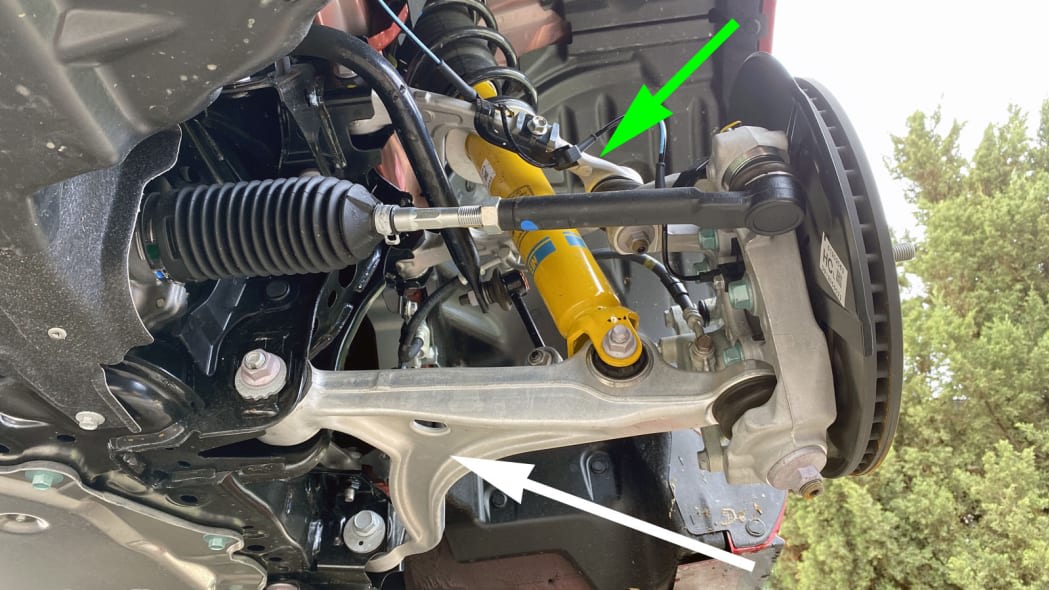
Spring rate should fit your car’s weight and intended use. Softer springs improve compliance but allow more body roll and can overwork tires on long stints. Stiffer springs reduce roll and improve response, though they can be harsh on bumpy tracks. Dampers (shock absorbers) must be valved to control weight transfer; adjustable dampers let you fine-tune rebound and compression for braking, turn-in, and mid-corner stability.
Brakes — fade resistance and feel
Brakes turn speed into heat. On the track, preventing fade and keeping consistent pedal feel are essential. Replace old, glazed pads with a track-oriented compound. Use slotted or drilled rotors if you expect heavy, repeated heat cycles, and consider larger or vented rotors if you’re running a heavy car at high speeds.
Brake fluid and bleeding
Brake fluid with a higher boiling point reduces the chance of vapor lock under repeated heavy braking. Flush your brake fluid before a track weekend and use a DOT rating or racing fluid recommended for your pad/rotor combo. Regular fluid absorbs moisture, which lowers the boiling point, so fresh fluid matters more than many folks expect.
Bedding pads and managing heat
New pads and rotors need a bedding procedure to mate surfaces for consistent bite. Follow pad manufacturer instructions. Between sessions, give brakes time to cool, and avoid overly aggressive on-off usage in the pits to preserve life and performance. Track organizations often publish brake-prep guides — read them before your first day.
Putting it together — a simple tuning routine
Pre-track prep: Check lug nuts, tire condition, and fluid levels. Remove loose items from the cabin. Tech inspection forms are strict about basic safety items.
Session 1 — conservative baseline: Use a moderate pressure +6–8 psi over street, conservative camber (around -1°), stock anti-roll bars. Note lap times and tire wear.
Adjustments between sessions: If understeer, add front camber or front grip (softer front pressure) or reduce front bar. If oversteer, raise rear pressure, reduce rear camber, or soften rear springs. Make one change at a time.
Brake checks: After a few hot laps, confirm pedal firmness. If the pedal is soft, stop and check fluid/bleed points before continuing.
Conclusion: Be curious, test, and record
A fast, safe track day comes from small, repeatable improvements. Treat wheels, tires, suspension, and brakes as a system. Start with cautious, proven baselines. Then change one variable at a time, measure results, and log what you learn. Over time, you’ll build a setup that suits your driving style and your track.
FAQ
Q: What tire pressure should I start with for a dry track?
A: Start roughly 6–8 psi above your normal street cold pressure, then adjust based on hot pressure, wear pattern, and handling. Measure hot pressures after a steady lap or two.
Q: How aggressive should camber be for track use?
A: A typical starting point is -1.0° to -2.0° front camber. More aggressive camber can help lap times but may increase inner-edge wear. Tune within safe limits for your tires.
Q: Do I need upgraded brake fluid for a single track day?
A: Fresh, higher-boiling fluid is a cheap insurance policy. If your car sees repeated heavy braking, upgrade the fluid and bleed to ensure consistent pedal feel.
Q: Can I use street wheels and tires for track days?
A: Yes. Many drivers use OEM wheels and a good performance tire for early HPDEs. However, dedicated track wheels and tires perform better and handle heat longer.
Related Posts
 The Thrill of the Track: A Beginner's Guide to Miata Motorsports
[vc_row][vc_column][vc_column_text css_animation="lightSpeedIn"]Racing enthusiasts and adrenaline seekers alike often find their heart's rhythm syncopating with the…
- Miata track preparation
Miata track preparation is crucial for those who want to push their Mazda MX-5 to…
- Driving the World's Most Painstakingly Personalized NA Miata | Road & Track
The Garage Woolery Miata is a legend among NA enthusiasts. Matt Farah tells you what…