No products in the cart.
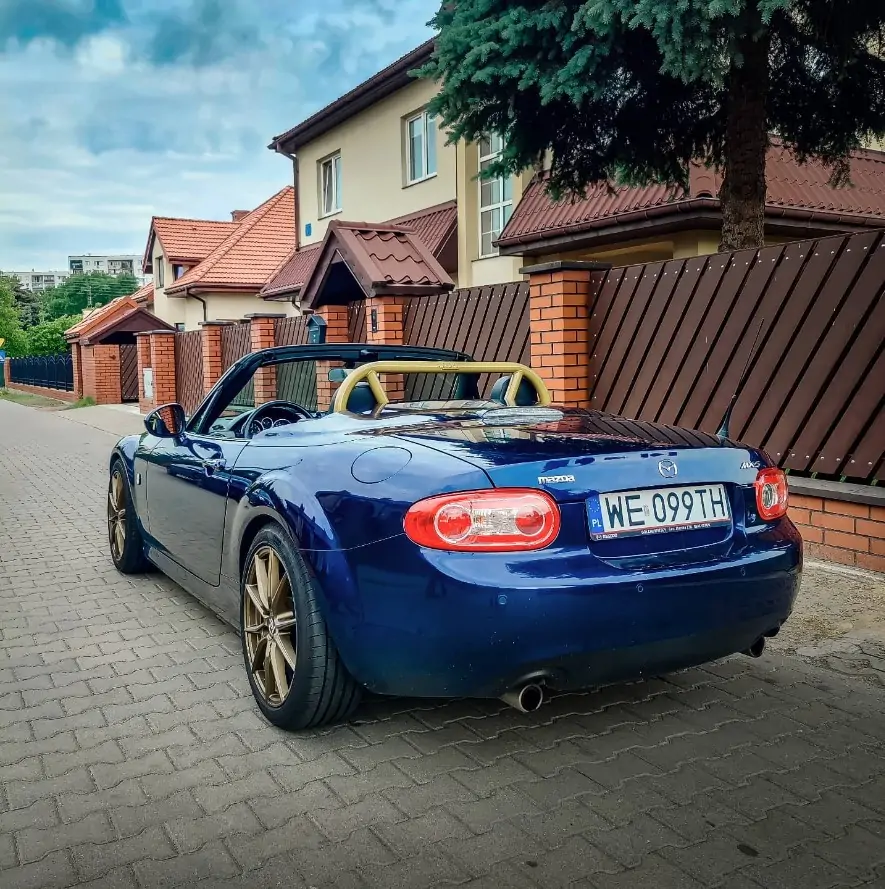
NC Soft Top Roll Bar Guide: Cybul NC Roll Bar Review & Fitment
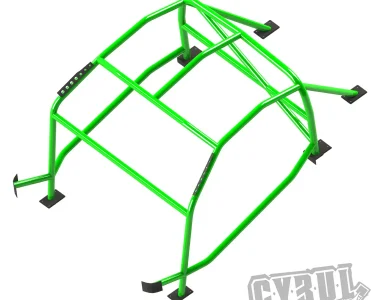
If you drive an NC soft top and you’re serious about track days, autocross, or simply making your chassis feel tighter, the Cybul Roll Bar NC Soft Top Miata deserves a close look. A proper roll bar is one of the smartest upgrades you can make to a Mazda MX-5 because it blends safety, rigidity, and the confidence to push harder when the road gets serious. The NC platform already gives you a balanced, communicative chassis, but a well-designed bar adds that extra layer of protection and can noticeably sharpen the car’s structure.
For NC owners, the big question is rarely whether a roll bar helps; it’s whether the bar fits the soft top cleanly, clears the upholstery and frame, and still works with your seat position and harness setup. That’s where this guide gets specific. We’ll break down fitment, installation considerations, usability, and the kind of driver who will benefit most from the Cybul setup. If you are also tuning the rest of the car, it’s worth pairing safety mods with smart chassis upgrades like frame rails for the Mazda MX-5 Miata and a reinforcement harness bar for Miata track builds to help the whole platform work together.
Before diving in, it helps to understand why the NC remains such a favorite in the Miata community. The NC sits at an interesting sweet spot: more substantial than the NA and NB, but still light, playful, and mechanically honest. If you want a refresher on the broader MX-5 story, Mazda’s own heritage pages are a good starting point at Mazda stories and innovation archive, and the model’s history is also well documented in the Mazda MX-5 overview. With that context, let’s look at what makes this bar relevant for NC soft top owners.
Why the Cybul Roll Bar NC Soft Top Miata Makes Sense
The NC soft top is a fantastic daily-driver and weekend-track platform, but open-top cars always carry an inherent tradeoff: flexibility in exchange for roof strength. A roll bar helps address that by creating a protected zone behind the seats and adding a structural element that can reduce cowl shake and rear-end flex. On track, that can translate into a more predictable car, especially when you’re leaning on sticky tires, aggressive alignment, and higher spring rates.
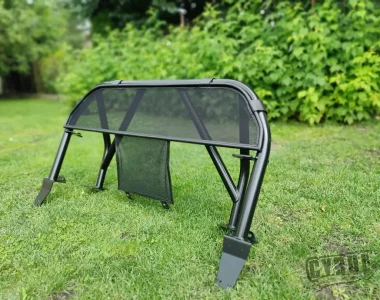
The Cybul Roll Bar NC Soft Top Miata is especially appealing because it’s designed with the soft top in mind. That matters. Many roll bars look good in photos but create headaches the moment the top is raised, the seat is moved back, or a harness is installed. A well-engineered NC bar should preserve day-to-day usability while providing meaningful rollover protection and a cleaner path toward motorsport compliance. For owners who want to keep the car streetable, that balance is everything.
There’s also a visual benefit. The NC cabin has a rounded, OEM-friendly shape, and a properly proportioned bar can add a motorsport tone without looking out of place. If your build leans toward functional styling, a roll bar pairs naturally with subtle aero and chassis parts like a flat underbody kit for Miata or a chassis-mounted front splitter kit, both of which help the car feel more cohesive from nose to tail.
Pro tip: If your end goal is track consistency, prioritize safety hardware before chasing more power. A safer, stiffer NC lets you use the car harder and with more confidence.
Fitment, Soft Top Clearance, and Cabin Packaging
Fitment is where the Cybul bar’s value becomes most apparent. On an NC soft top, clearance around the folded roof frame is the first thing you need to verify. The bar should sit in a location that allows the top to function without excessive rubbing, pinching, or forcing the frame into a compromised position. That’s not just about convenience; repeated interference can wear the top material and stress the mechanism over time.
Seat position is the second major consideration. Taller drivers often sit farther back, so the bar’s rearward placement and hoop shape matter. In a well-sorted setup, you want enough distance between your helmet and the bar to satisfy basic track safety expectations, while still maintaining a driving position that feels natural. If you plan to run fixed-back seats or harnesses, this becomes even more important. It’s smart to coordinate the bar with bottom mount seat brackets for Miata or side mount seat brackets for Miata so your seating geometry doesn’t work against the bar.
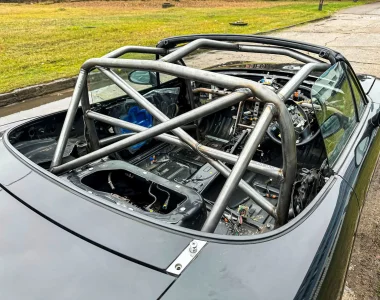
Another fitment detail is interior trim. Some NC bars require thoughtful trimming or removal of plastics, carpet edges, or trim panels to achieve a clean install. That’s normal for performance roll bars, but it should be planned rather than discovered mid-installation. The right approach is to test-fit before committing to final torque, check soft top operation in both raised and lowered positions, and verify that the seat belt path remains unobstructed. If you’re building the car for regular track use, you may also want to review our Miata knowledge base and maintenance guides for more setup advice.
| Fitment Factor | What to Check | Why It Matters |
|---|---|---|
| Soft top clearance | Frame travel, fabric contact, top latches | Prevents wear and preserves usability |
| Seat position | Helmet clearance, recline angle, seat travel | Improves safety and comfort |
| Harness routing | Shoulder belt angle and bar height | Critical for proper restraint geometry |
| Interior trim | Panels, carpet, and rear plastics | Ensures clean installation and OEM-like finish |
Installation Notes and Track-Ready Setup Tips
Installing a roll bar on an NC is not difficult for an experienced enthusiast, but it is a job that rewards patience and careful preparation. Expect to remove interior trim, rear plastics, and possibly some carpeting to access the mounting points. Having the right tools on hand makes a huge difference: trim tools, socket extensions, a torque wrench, and a helper for positioning the bar during test fits. Rushing this job is the fastest way to end up with squeaks, misalignment, or damaged panels.
Once the bar is in place, torque sequence matters. You want the bar sitting squarely on its mounting surfaces before final tightening, and you should recheck hardware after the first heat cycle or two of driving. Vibrations, chassis flex, and cabin movement can settle hardware slightly, so a post-install inspection is always a good idea. If you’re building the car for repeated track use, consider complementary safety equipment such as a fire extinguisher support for Miata and a proper towing solution like a Miata tow hook.
From a dynamics standpoint, a roll bar is only part of the equation. NC owners chasing a sharper track car should think holistically: fresh performance brake fluid with a high boiling point, quality pads, and a sensible alignment. A common starting point for spirited NC use is around -2.0 to -2.5 degrees front camber, a touch less in the rear, and mild toe settings that preserve stability without dulling turn-in. Pair that with a decent tire compound and the car transforms. On a well-prepped chassis, the roll bar becomes part of a complete package rather than an isolated modification.
It’s also worth noting that a roll bar can influence how you perceive the car. The added stiffness often makes the steering feel more immediate and the rear structure feel more tied together. That doesn’t mean the car gains horsepower or magically becomes a race car, but it does mean the MX-5 communicates with more clarity. For many drivers, that’s the real payoff: confidence, consistency, and a better sense of connection every lap.
Who Should Buy It, and What Should Come Next?
The Cybul setup is best for NC owners who want a serious upgrade without abandoning soft top practicality. If you attend track days, run autocross, drive spirited mountain roads, or want a cleaner path toward harnesses and safety equipment, this is the kind of mod that provides real value. It’s also a strong choice for enthusiasts who care about the car’s long-term build direction, because safety hardware tends to become more important as power, grip, and driver skill increase.
That said, if your NC is primarily a casual cruiser and you rarely push beyond street speeds, the benefits may be harder to justify. Roll bars are functional first, visual second. You buy one because you want the protection and chassis improvement, not because it looks cool in photos alone. For the right owner, though, the Cybul bar is exactly the kind of upgrade that turns a fun roadster into a more serious driver’s car.
If you are planning the next phase of the build, think in terms of systems. A roll bar pairs well with better seats, harness-ready mounting, suspension tuning, and modest aero. That is how you turn an NC into a genuinely capable road-and-track machine without losing the lightweight charm that makes the MX-5 special in the first place.
Final Verdict: Cybul Roll Bar NC Soft Top Miata
The Cybul Roll Bar NC Soft Top Miata is a smart, purpose-built upgrade for drivers who want better rollover protection, improved chassis feel, and a more track-ready NC without giving up the soft top. If your goal is to build a balanced, safer, and more confidence-inspiring MX-5, this bar checks the right boxes.
Its biggest strengths are the way it addresses soft top fitment, its relevance for serious driving, and its ability to integrate into a broader performance plan. The best NC builds are never just about one part; they’re about the harmony between safety, suspension, seating, and driver position. In that context, this roll bar earns its place as a foundational mod.
For NC soft top owners who are ready to move from casual upgrades to thoughtful chassis development, this is one of those parts that makes the car feel more complete. Add it before you add more speed, and you’ll enjoy every future modification more.