No products in the cart.

Ultimate Guide to Miata Alignment Settings for Spirited Driving in 2026
The right Miata alignment settings for spirited driving can change your MX‑5 from “nice” to genuinely confidence inspiring on your favorite back road.
Key Takeaways
| Question | Short Answer |
|---|---|
| What is the best Miata alignment for spirited street driving? | Moderate negative camber, a bit of front toe out, and near-zero rear toe work well for most NA, NB, NC, and ND cars. |
| Do I need aftermarket parts for a “spirited” alignment? | Stock hardware can work, but adjustable suspension and bushings make it much easier to dial in settings, especially on older NA / NB cars. See our Miata NA parts catalog. |
| Will aggressive camber ruin my tire wear? | Too much static camber or bad toe will, but a balanced spirited setup keeps tire wear reasonable if pressures and rotation are managed. |
| Are alignment specs different for NA, NB, NC, and ND? | Yes, weight, suspension geometry, and tire sizes differ, so we tune each generation slightly differently. |
| How often should I recheck alignment on a driven Miata? | At least once a year or after any major suspension work, curb hit, or track day. |
| What if my tires already show strange wear? | Inspect, correct alignment, and review toe first. Our guide on Miata uneven tire wear explains typical patterns. |
| Does tire rotation still matter with a good alignment? | Yes. Rotation evens out wear, especially with more negative camber. See Miata tire rotation for patterns and intervals. |
1. Why Alignment Matters So Much On A Miata
The Miata is a lightweight, rear wheel drive roadster that responds to small alignment changes more clearly than most modern cars.
In 2026, many owners are running stickier tires and coilovers, so factory “safe” alignment specs often leave performance on the table.
Alignment defines how your Mazdas MX‑5 behaves when you load the chassis: turn in, mid corner balance, braking stability, and how quickly the car rotates.
Because the Miata uses double wishbone or multi link suspension (NC / ND) with lots of adjustability, it rewards a driver focused, OEM plus approach instead of random “race” numbers.
A stock alignment is a compromise between stability, tire life, and predictable understeer for the average driver.
For spirited driving, we bias the setup toward sharper response and neutral balance, but still keep it reliable and livable on real roads.
The goal is not “max grip at any cost”; it is a consistent, communicative car that you trust on every back road run.
That is the alignment philosophy we use across NA, NB, NC, and ND when we talk about Miata mods and upgrades in 2026.
2. Core Alignment Terms Every Miata Owner Should Know
Before numbers, it helps to speak the same language as your alignment tech.
We keep it simple and Miata specific.
Camber, Caster, Toe: What They Do On An MX‑5
- Camber is the tilt of the wheel viewed from the front.
- Negative camber leans the top in, which helps cornering grip but affects inner tire wear if toe is not correct.
- Caster is the fore aft tilt of the steering axis, important on NA / NB and still relevant on NC / ND.
- More caster increases straight line stability and self centering, and can increase camber gain in a turn.
- Toe is the angle the tires point relative to the car centerline, viewed from above.
- Toe out sharpens turn in but can make the car nervous, toe in stabilizes but dulls response.
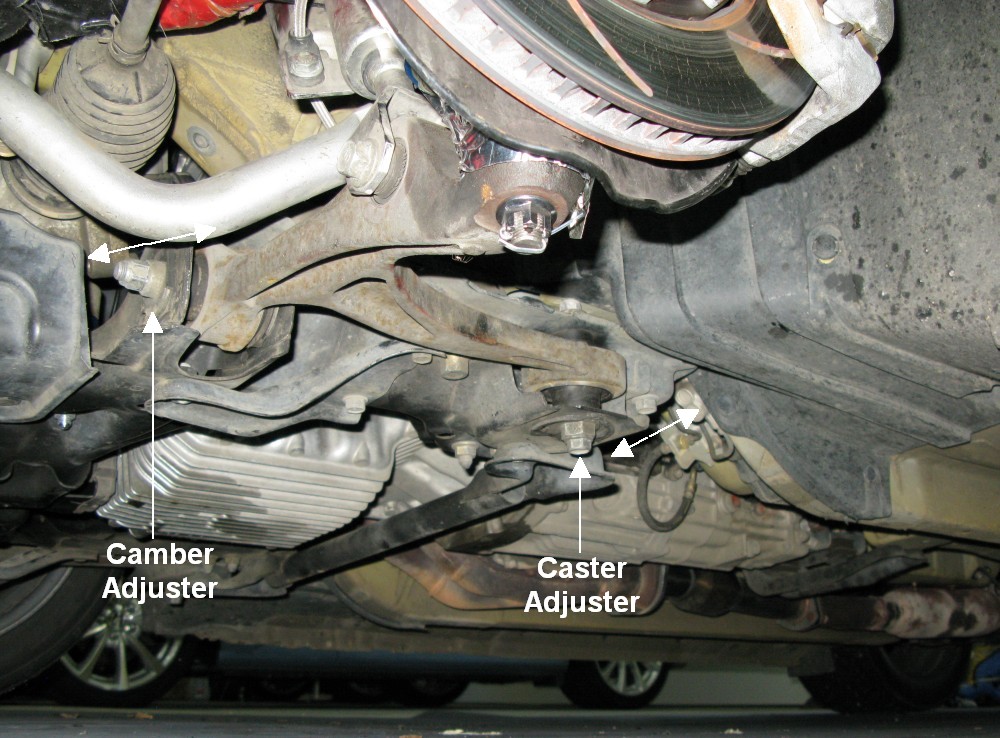
On a Miata, small changes in toe affect straight line feel as much as camber affects cornering grip.
This is why many “bad handling” complaints after suspension upgrades are actually toe problems, not spring rate issues.
We dive deeper in our camber adjustment guides for owners dialing in more serious setups.
If you want more background reading, Tire Rack’s technical articles on suspension basics are a solid reference for understanding how these angles interact in dynamic conditions in 2026.
3. Street Vs Spirited Vs Track: Defining Your Alignment Target
“Spirited driving” sits between daily comfort and full track use, and your alignment should reflect that.
We like to frame it as three use cases, then aim in the middle.
How Aggressive Should You Go For Real Roads
| Use case | Camber | Toe | Notes |
|---|---|---|---|
| Daily comfort | Near factory, light negative | Small toe in or zero | Max stability, tire life, less mid corner grip |
| Spirited street | Moderate negative | Front slight toe out, rear near zero | Sharper turn in, neutral feel, acceptable wear |
| Track / autoX | More negative | Often zero toe, sometimes more front toe out | Highest grip, harsher ride, faster wear |
In 2026, tire tech is good enough that a mild performance alignment will not destroy a set of 200TW tires if you keep toe under control.
We still recommend checking pressure and rotation intervals, especially on lightly modified Mazdas that see both commute and canyon duty.

This infographic breaks down the five essential alignment settings for more responsive, spirited Miata handling.
If you daily your Miata and hit the twisties every weekend, you are squarely in the spirited camp.
For that use, we lean into negative camber and slightly more responsive toe, without stepping into “track car that hunts ruts” territory.
4. Recommended Spirited Alignment Specs For NA Miata
The NA chassis is simple, communicative, and very responsive to small changes in geometry.
Most cars are now 30 plus years old, so bushing condition matters as much as your printout numbers.
Typical NA Spirited Setup (Baseline)
- Front camber: around -1.3° to -1.7°
- Rear camber: around -1.5° to -2.0°
- Front caster: as much as factory adjustment allows, usually 4.5° to 5.5° if bushings permit
- Front toe: 0 to 0.05° total toe out
- Rear toe: 0 to 0.10° total toe in

@rotrexmx5‘s alignment before and after a track day at LlandowThis gives a crisp front end and stable rear, ideal for mountain roads and occasional autocross.
If you run a square tire setup and stiffer rear bar, you can bias a bit more rear camber to keep the car neutral on throttle.
When you start adding Miata upgrades like coilovers or stiffer bushings, it is worth a fresh alignment any time ride height or component geometry changes.
We cover NA chassis hardware in depth in our NA suspension and performance upgrade guides for owners who want a full system approach rather than one time tweaks.
5. Recommended Spirited Alignment Specs For NB Miata
The NB continues the double wishbone layout but with slightly different geometry and weight distribution.
In 2026, many NB cars are running wider wheels and stickier tires, which reward a bit more negative camber outside of winter setups.
Typical NB Spirited Setup (Baseline)
- Front camber: around -1.5° to -2.0°
- Rear camber: around -1.8° to -2.2°
- Front caster: 5.0° to 6.0° if achievable without binding
- Front toe: 0.02° to 0.06° total toe out
- Rear toe: 0.05° to 0.15° total toe in
That mild front toe out wakes up turn in without making the car nervous on the highway.
The slight rear toe in calms the car down mid corner and under braking, which is important on bumpy roads.
As NB owners upgrade suspension, we often see people chasing more camber before they fix worn bushings or sloppy steering racks.
Alignment only works as well as the parts you bolt it to, so consider renewing key components before expecting tenth of a degree precision.
6. Recommended Spirited Alignment Specs For NC Miata
The NC is heavier, more refined, and uses a different suspension layout, so we treat it slightly differently.
It still responds well to a driver focused alignment, but numbers look a bit more conservative on paper.
Typical NC Spirited Setup (Baseline)
- Front camber: around -1.0° to -1.5°
- Rear camber: around -1.5° to -1.8°
- Front caster: follow factory range, usually 5.5° to 6.5°
- Front toe: 0 to 0.04° total toe out
- Rear toe: 0.05° to 0.15° total toe in
The NC chassis is more compliant stock, so we often prefer slightly firmer springs and dampers paired with a smart alignment, instead of chasing race car camber numbers.
This keeps the car comfortable for daily use but gives plenty of grip and confidence on fast road sections.
Because of the geometry, small changes in ride height on NC have a noticeable effect on camber and toe.
Any time you adjust coilovers, plan to at least check toe if you are serious about your setup.
7. Recommended Spirited Alignment Specs For ND Miata
The ND Miata is the most modern chassis, and Mazda tuned it with a sharp, engaging character from the factory.
For spirited driving in 2026, we are usually refining, not reinventing, the base geometry.
Typical ND Spirited Setup (Baseline)
- Front camber: around -1.2° to -1.6°
- Rear camber: around -1.5° to -1.9°
- Front caster: within factory adjustment, usually 6.0° to 7.0°
- Front toe: 0 to 0.03° total toe out
- Rear toe: 0.05° to 0.12° total toe in
The ND reacts strongly to front toe and tire choice, so we recommend making one change at a time and testing on familiar roads.
Many ND owners move to 17 inch wheels and 215 tires, which can benefit from slightly more camber to keep the outer shoulders happy.
As with earlier generations, an alignment should be part of any serious ND Miata mods plan, not an afterthought.
A well set up ND feels direct without being twitchy, exactly what you want in a modern lightweight roadster.
8. How Suspension Upgrades Affect Your Alignment Options
Every Miata upgrade you bolt on changes what is possible or practical with your alignment.
Springs, dampers, bushings, and even chassis braces all influence how your static specs behave on the road.
Coilovers, Spacers, And Geometry
Moving to coilovers gives height adjustment and sometimes camber plates, which opens up more aggressive yet precise settings.
It also means ride height changes, which directly alters camber and toe curves on NA and NB in particular.
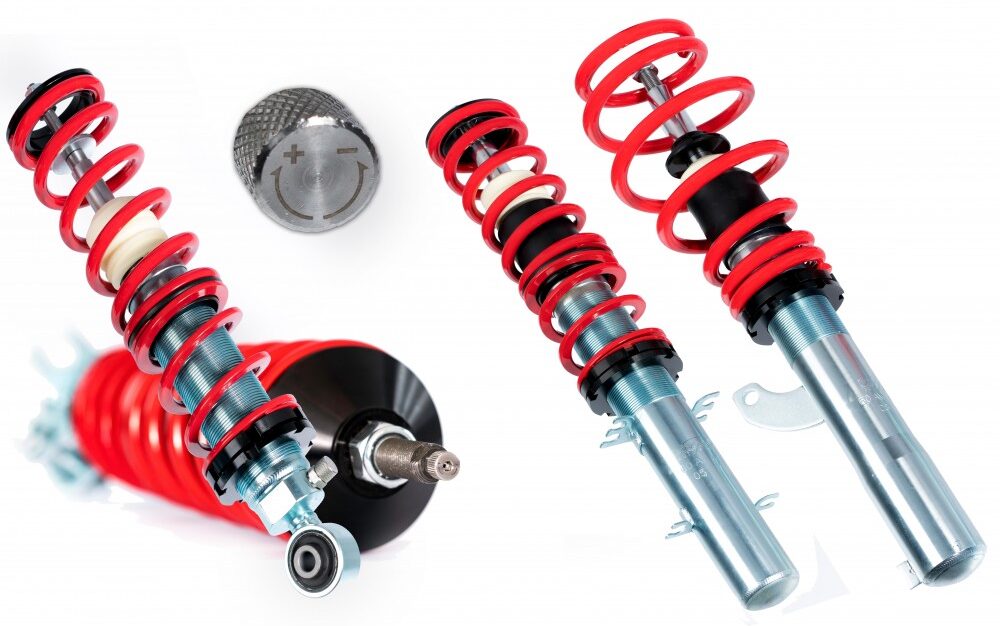
Parts like Top Mount Spacers can slightly lift the assembly to correct geometry on lowered cars or fine tune bump travel.
On rough roads, a small change in shock position can keep the car off the bump stops, which preserves predictable alignment under load.
Stiffer chassis components, like bracing and competition sway bar mounts, reduce flex so your dynamic geometry stays closer to your alignment sheet.
That is the OEM plus mindset we prefer in 2026: use aftermarket parts to support alignment goals, not just for looks.
9. Reading Tire Wear And Handling To Fine Tune Your Setup
A printout is only your starting point, the real feedback comes from how the car feels and how the tires look.
Spirited Miata driving gives you plenty of data if you know where to look.
Common Patterns And What They Mean
- Inner shoulder wear with good toe often means too much negative camber for your use.
- Feathered tread usually points to incorrect toe or worn suspension bushings.
- Outer shoulder roll over under spirited use suggests you might need a bit more camber or stiffer roll control.
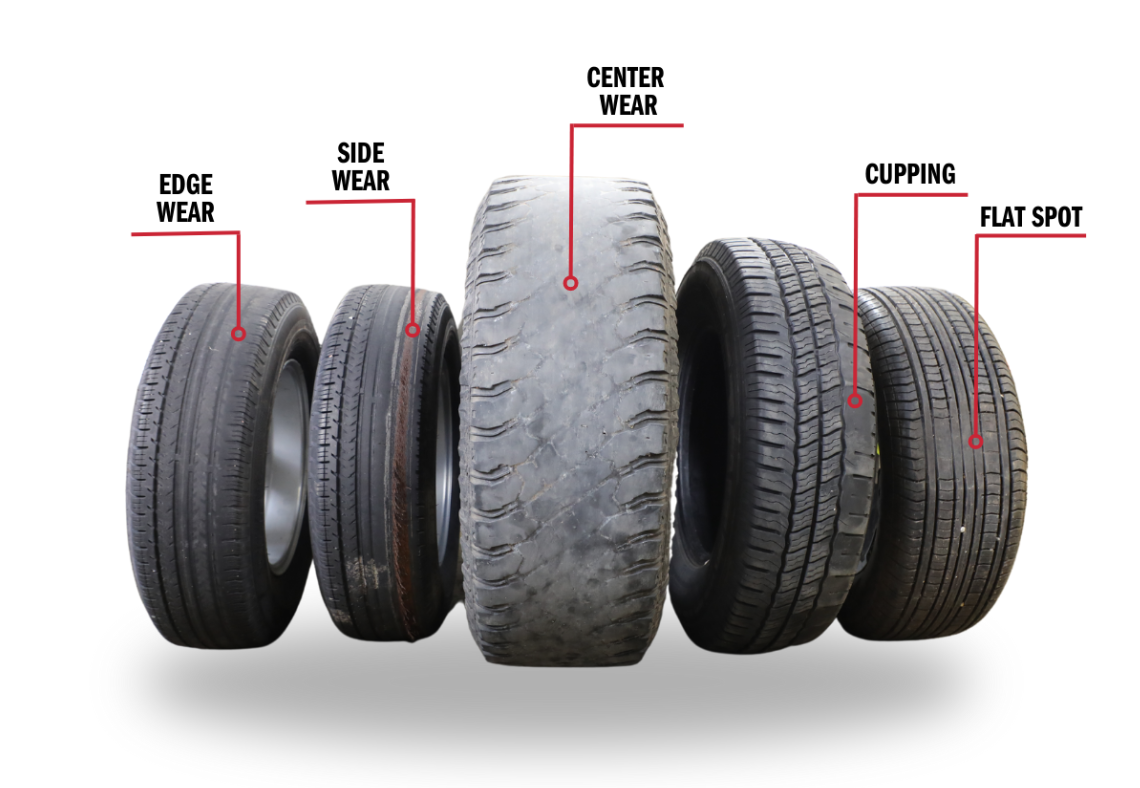
Our detailed uneven tire wear guide goes deeper into these patterns with pictures and root causes.
We always pair that with a tire rotation schedule so you spread any minor setup bias across all four corners.
Handling feedback matters just as much as tire inspection.
If your Miata feels nervous in a straight line or “falls in” too quickly at turn in, start by checking toe values and steering components before chasing more exotic solutions.
10. Working With An Alignment Shop And Keeping It Consistent
Most alignment shops are used to commuter cars, not a lightly modified Miata that sees real driving.
Clear communication keeps your setup from defaulting to a generic “in the green” printout.
Getting The Alignment You Actually Want
- Arrive with your target specs printed and be ready to explain that you want a spirited, performance oriented street setup.
- Ask for before and after printouts, and keep them in your records for future reference.
- Ensure your ride height and wheel / tire combo are final before alignment to avoid paying twice.
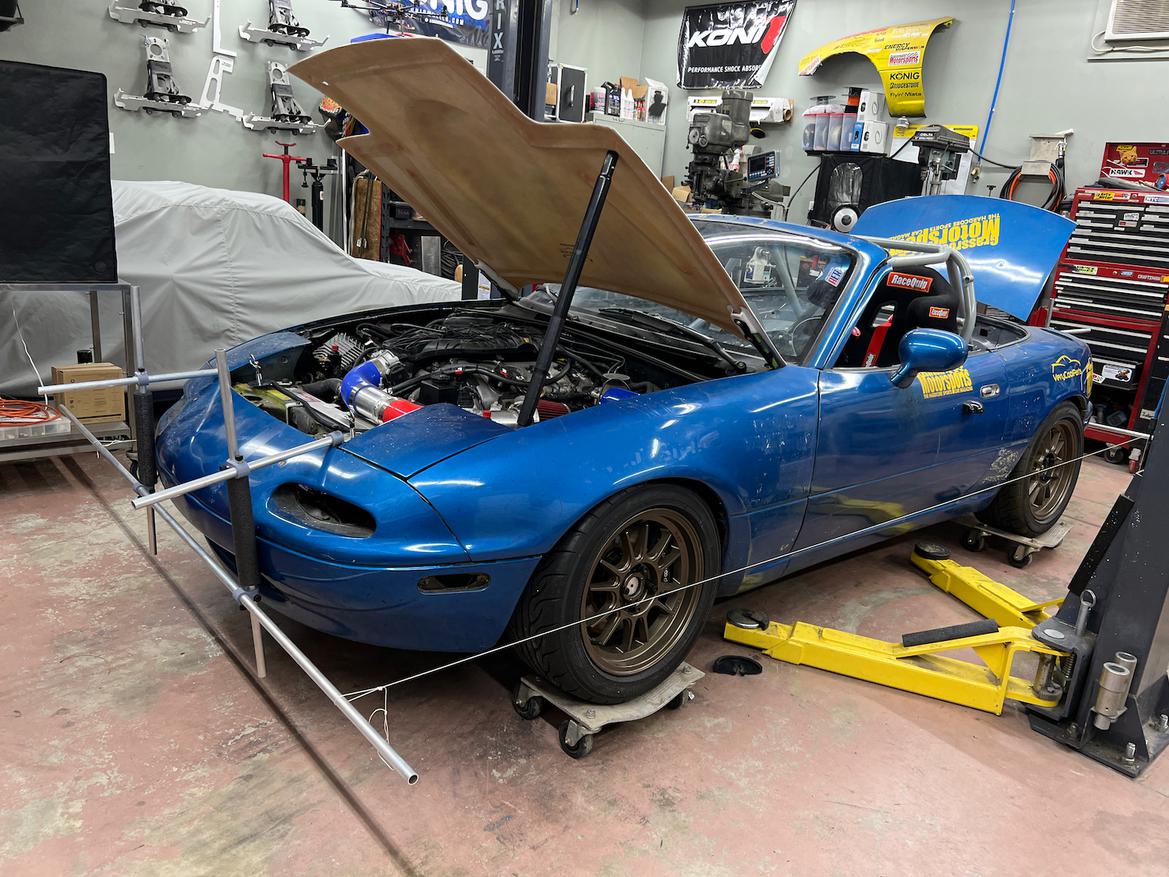
Miata prep for test day alignment
We also suggest doing a quick suspension check at home before you book time.
Look for play in ball joints, tie rods, and bushings, because worn parts will make it impossible to maintain precise specs under load.
In our community, the Miata alignment topic comes up constantly, which is why we maintain a dedicated alignment knowledge base tag for updated advice and examples.
Using that as a reference, you can have a more informed conversation with any competent local shop.
Conclusion
A thoughtful Miata alignment for spirited driving is one of the best “hidden” mods you can do to any NA, NB, NC, or ND in 2026.
It respects what Mazda engineered into the chassis, then nudges the geometry toward a more driver focused, rear wheel drive feel without compromising reliability.
Start with clear goals, understand camber, caster, and toe, then choose alignment specs that match how and where you actually drive.
Pair that with smart, OEM plus suspension parts, regular tire checks, and honest road testing, and your MX‑5 will feel precise, predictable, and ready for every back road you throw at it.
FAQ
What alignment should I ask for on a mostly stock Miata used for back road driving?
Ask for a bit more negative camber than stock, near zero front toe or a tiny amount of toe out, and light rear toe in, staying within the ranges in this guide for your generation.
Can I get a good spirited alignment without coilovers?
Yes, factory suspension can be aligned very effectively if bushings and joints are healthy, coilovers just give more range and consistency under heavy load.
How often should I realign my Miata if I drive hard?
We recommend checking alignment once a year or after any big impact, track day, or major suspension change.
Will more negative camber always give more grip?
Up to a point it helps, but too much camber for your tire, road, and spring rate can reduce the contact patch and hurt braking and stability.
Should front and rear camber match on a Miata?
Not necessarily, we usually run slightly more negative camber at the rear on street cars for stability and predictable limit behavior.